 Juventude Hub
Juventude's Derby Day: A Celebration of Tradition and Rivalry
In the heart of Caxias do Sul, the passion for football transcends the game itself, especially during derby days when Juventude faces off against their arch-rivals, Grêmio. This rivalry, steeped in history, has grown over decades, fostering a culture of vibrant supporter traditions that are as integral to the matchday experience as the players on the field.
The Rituals of the Fans
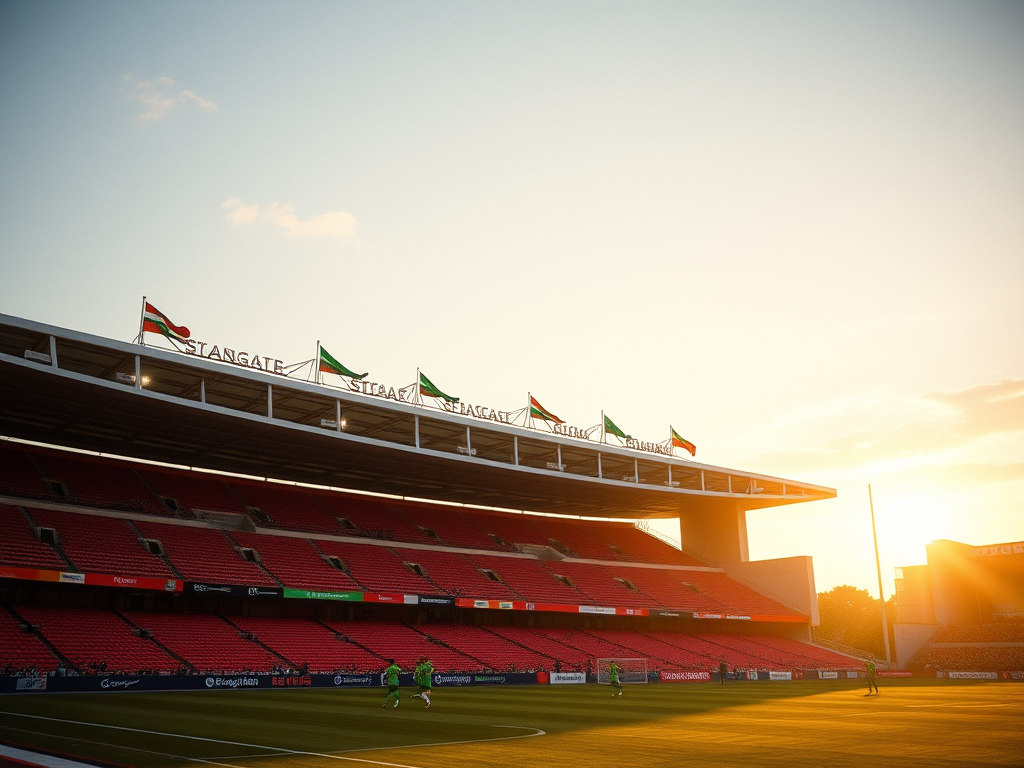
As match day approaches, a palpable excitement fills the air in the streets surrounding the Estádio Alfredo Jaconi. Supporters of Papo Verde, young and old, don their green and white jerseys, gathering at local bars and restaurants, exchanging stories and predictions. It’s a ritual that begins long before the players take to the pitch; the true magic lies in the shared experience of anticipation and camaraderie.
One of the most cherished traditions is the 'Cortejo da Torcida,' a parade of fans that marches through the streets, chanting and singing in unison. This procession, often accompanied by drums and flags, symbolizes the unity of Juventude supporters, a collective heartbeat that resonates through the town. The sound of their voices rises, echoing off the buildings, signaling to everyone that a significant event is about to unfold.
The Derby Atmosphere
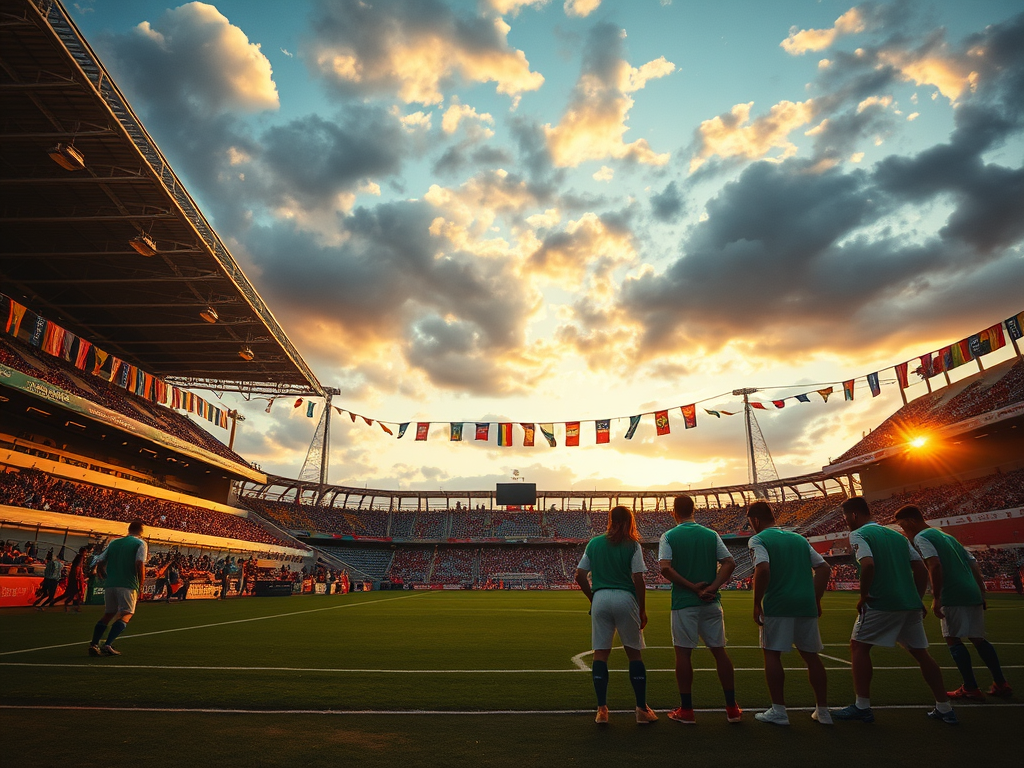
Entering the stadium is akin to stepping into a cauldron of emotion. The atmosphere is electric, charged with the energy of thousands of fans who have come together to cheer for their team. As the teams warm up on the pitch, the stands come alive with choreographed displays of color and sound. The Juventude faithful are known for their elaborate tifos, giant banners that showcase their unwavering support and creativity. These displays tell stories of the club's history, its triumphs, and the deep-rooted rivalry with Grêmio.
When the match kicks off, the noise reaches a fever pitch. Every tackle, every shot, and every near miss is met with roars of approval or gasps of disbelief. The chants evolve as the match progresses, with supporters adapting lyrics to reflect the game's ebb and flow. It’s a living, breathing entity, with the fans acting as the twelfth player, pushing their team forward with every ounce of energy.
Post-Match Celebrations and Rituals
Win or lose, the traditions don’t end when the final whistle blows. If Juventude claims victory, the celebrations spill into the streets, with fans singing and dancing around the Estádio Alfredo Jaconi, celebrating with fireworks and flares lighting up the night sky. Local businesses often join in the festivities, offering discounts or special deals for fans, fostering a sense of community that extends beyond the match itself.
Conversely, in the event of a loss, the supporters remain resilient, gathering to console each other and discuss what went wrong. The emphasis on solidarity is a testament to the strength of the Juventude community; their love for the club transcends the result.
Conclusion
The derby against Grêmio is more than just a football match for Juventude fans; it’s a celebration of culture, identity, and unwavering support. The traditions, rituals, and atmosphere surrounding these games serve as a reminder of why football is so much more than just a sport. It’s a way of life for the Papo Verde, and in Caxias do Sul, every derby day is a testament to the enduring spirit of its supporters.