 Juventude Hub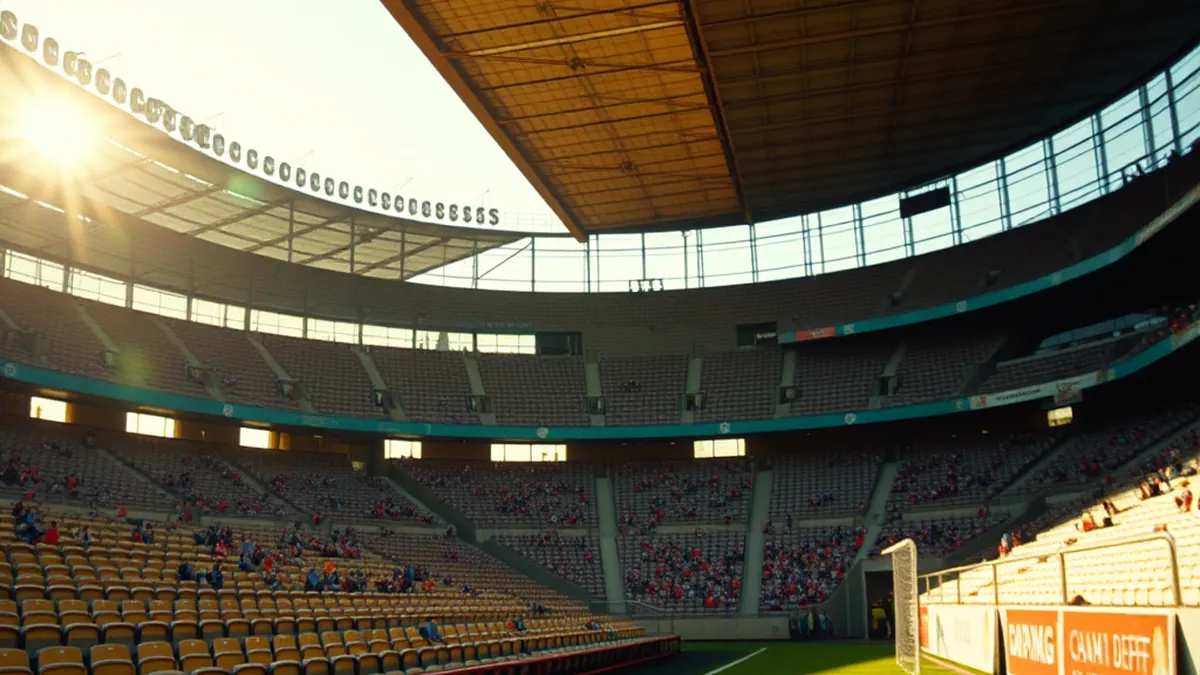
The recent encounter between Juventude and Sport was more than just a match on the pitch; it became a focal point in the ongoing battle against racism in football. After a player from the home team, Jaconero, confronted fans over allegedly racist comments, the anti-racism protocol was activated, marking a significant moment for both the club and the wider football community.
This incident underscores a pressing issue in the sport that fans and players alike can no longer ignore. As matchdays are marred by such events, it raises critical questions about how clubs respond to racism and what more can be done to ensure a safe, inclusive environment for everyone involved in football.
Context of the Incident
During the match held at Estádio Alfredo Jaconi on 10 October 2023, tensions escalated when Jaconero faced off against supporters from his own team. Reports indicate that these fans directed racial slurs at the player, prompting a heated exchange. The situation intensified to a point where match officials had no choice but to invoke the anti-racism protocol, which requires the match to be halted and reported to the relevant authorities.
The activation of this protocol serves as a reminder of the deep-seated issues that plague football, even at the most grassroots levels. The decision was not just about stopping the game; it was a statement that racism has no place in football. However, the question remains: how effective are such protocols in combating racism in the long term?
The Role of Clubs in Combatting Racism
As one of Brazil's historic clubs, Juventude carries the responsibility to set a precedent. The club's management has been vocal in their stance against racism, but this incident highlights the need for a comprehensive strategy to address fan behaviour. The recent events have prompted calls for tighter regulations on fan conduct and increased education about the impacts of racism.
- Increased Fan Education: Clubs should invest in campaigns aimed at educating fans about the consequences of their actions.
- Stricter Penalties: Implementing harsher penalties for fans who engage in racist behaviour could deter such actions in the future.
- Collaboration with Players: Engaging players in discussions about their experiences can help build a stronger anti-racism framework.
By taking a proactive stance, Juventude can contribute significantly to a culture that embraces diversity and condemns discrimination.
What This Means for Juventude
The repercussions of the anti-racism protocol activation extend beyond just this match. For loyal supporters of Juventude, this incident serves as a wake-up call. It’s a reminder that the club is not just a collection of players and fans but a community that must work together to eradicate racism. Fans are now more aware than ever of their role in fostering an inclusive environment.
This scenario also poses potential implications for the club's image. While Juventude has taken steps to address the situation, how they handle the aftermath will be crucial. If they can turn this moment into a catalyst for change, it may strengthen their connection with supporters who value inclusivity.
Community and Fan Reactions
Fans have reacted with a mix of outrage and support following this incident. Many have taken to social media to express their disappointment, while others have rallied behind the player in question. The wider community has also weighed in, with various local organizations calling for unity and action against racism in football.
This incident has ignited discussions not only within the Juventude fanbase but also in the broader football community. Fans are demanding accountability and are increasingly unwilling to tolerate racist behaviour during matches. The incident could serve as a turning point for how clubs, fans, and players interact and respond to racism.
Critics will argue that mere activation of the anti-racism protocol isn’t enough. They point out that it’s merely a reactive measure rather than a proactive solution. While protocols are essential, they must be accompanied by concrete actions that address the root causes of racism in football.
The Wider Championship Picture
As Juventude continues its campaign in the Campeonato Brasileiro Série B, incidents like these can have broader implications for the league itself. The championship has been working to improve its image and promote fair play, but incidents of racism can tarnish that effort. The league’s response to this incident will be critical in shaping the future of its policies.
- Maintaining Integrity: The league must demonstrate a zero-tolerance approach to racism, ensuring that clubs are held accountable.
- Support for Affected Players: Providing support for players who face discrimination is paramount in fostering an environment of safety.
- Encouraging Dialogue: Continuous dialogue among clubs, players, and fans can lead to more effective strategies against racism.
With every match that passes, the onus is on the league to create an environment where all players feel safe and valued, regardless of their background.
What's Next
As Juventude prepares for their upcoming fixtures, the focus will inevitably shift towards how the club handles the fallout from this incident. Will they implement new strategies to ensure fan behaviour aligns with their values? This remains to be seen.
Moreover, fans should anticipate an increased emphasis on inclusivity in the club's messaging and community engagement. For Juventude, this incident could be a pivotal moment in defining its legacy not just as a successful football club but as a leader in the fight against racism in the sport. Everyone involved, from players to fans, has a role to play in ensuring that football is a welcoming space for all.